
Interpersonal communication includes the following:

The Communicators: The communicators are the senders and the receiver of messages. For interpersonal communication, at least two people are needed, a sender and a receiver of the message.

The Message: The message is the idea shared through speech, facial expression, body language, tone of voice and gestures. It also includes verbal and non-verbal expressions.

Noise: Noise refers to any sort of distortion that happens when the the message is sent. The noise can change the message from what is sent to what is received. Noise can include a blaring radio from a passing car while someone is talking. It can include complicated vocabulary, language differences and more.

Feedback: Feedback is the response of the receiver.
Context: The context is the receiver’s perception.
Channel: Channel is the means through which communication occurs. The message is sent and received through the channel. In face to face communication, the channels are speech and vision. During a telephone conversation, the channel is speech.
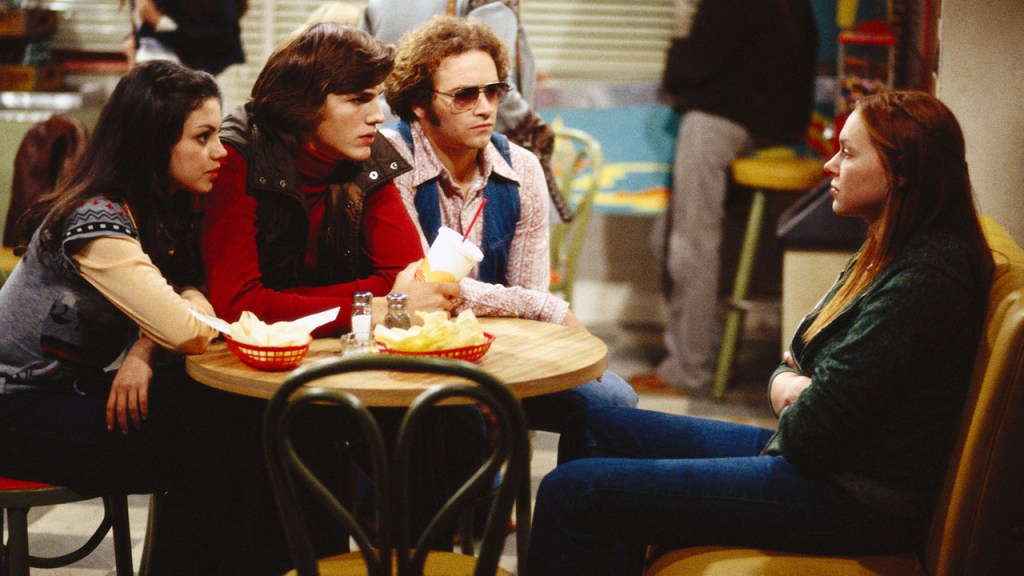
 Interpersonal Communications and That 70's Show