
Interpersonal communication is a type of communication in which people communicate feeling, ideas, emotions and information face to face to each other. This type of communication is not just about the words spoken or the language used. Interpersonal communication includes what is said and heard, how it is said, tone of voice, gestures, body language and facial expressions.
Interpersonal communication is normally between two individuals. Though, it can also include small groups of friends, co-workers or family members.
Communications is a two way process, with people sending and receiving messages at the same time. While one person may be speaking, the other is listening. Though, the listener is often communicating with head nods, eye contact, smiles, posture and more.
Interpersonal communication may be unintentional. It might not even be verbal. Non-verbal communication makes up 55% of our interpersonal communication.
Our body language, gestures and facial expressions are a key aspect in communication. Even when we don’t speak a word, we are communicating a message.
Interpersonal communication is sometimes referred to as “people skills.”
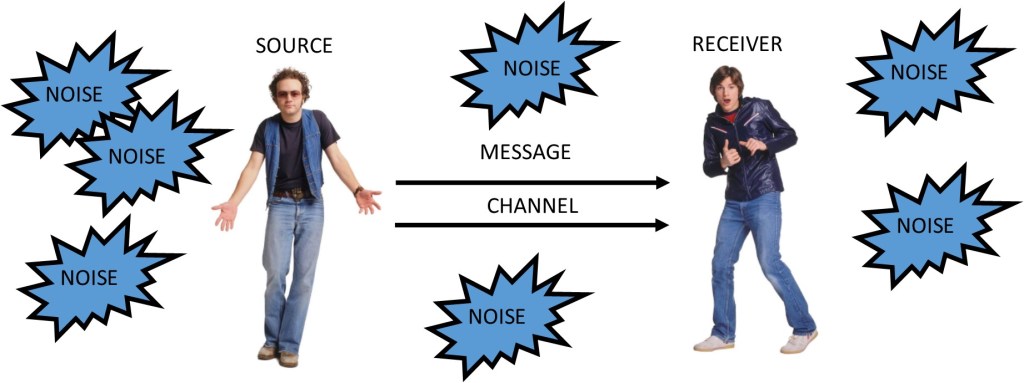
In the action model of interpersonal communication, communication is a one way process. The source relays a message to the receiver through a channel. The message can be verbal and non-verbal, including body language, facial expressions and gestures. The receiver, the person hearing the message, decodes it.
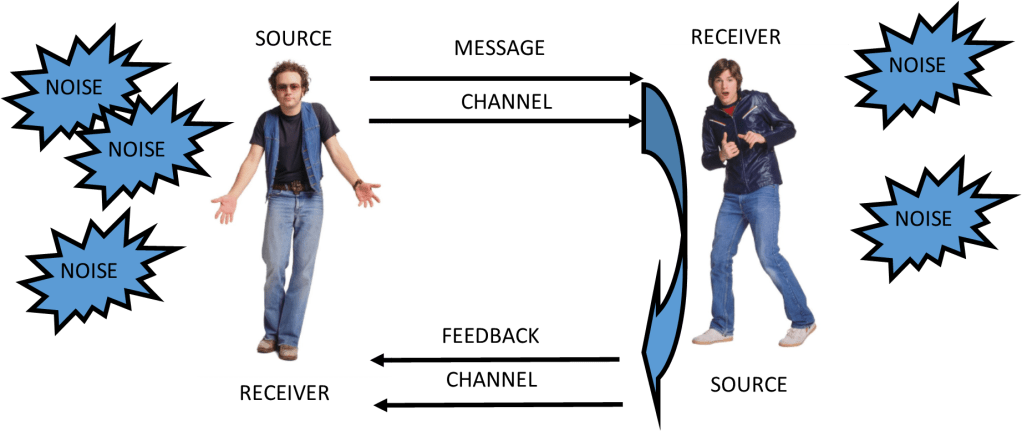
In the interaction model, messages are shaped by the feedback the receiver offers. This feedback can be verbal, gestures, facial expressions and more.
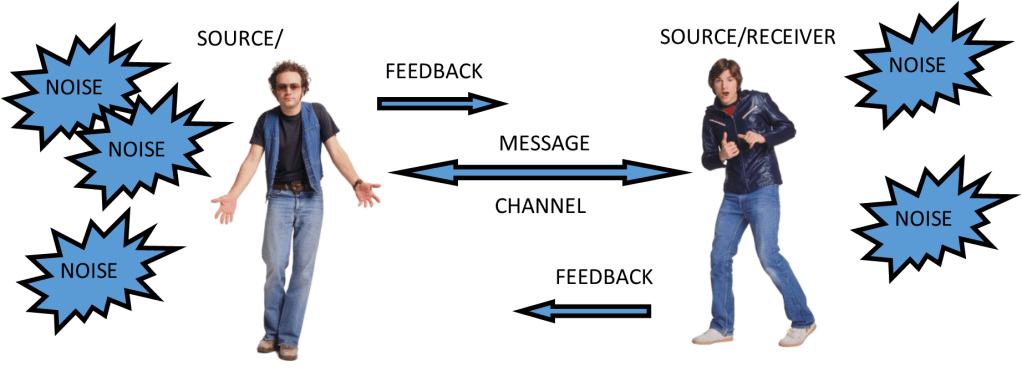
In the transaction model, both people in the conversation are senders and receivers at the same time.
 Interpersonal Communications and That 70's Show